

Executive Summary
The legal AI conversation is changing. The important question is no longer whether an AI model can produce a legal-looking answer. The practical question is whether the work is organized, grounded, reviewable, and useful inside the way lawyers actually work.
That is exactly why Wisanna is building around lawyer-controlled legal workflows: AI Chat for flexible work, a Word add-in for drafting where lawyers already write, and Agentic Tasks such as Draft Legal Opinion for larger legal deliverables.
From prompt to process
Legal teams are moving from isolated prompts toward repeatable workflows that carry context through research, drafting, review, and final approval.
From speed to defensibility
Fast answers are not enough. Lawyers need sources, checks, confidence markers, and a clear place to apply professional judgment.
From generic to legal work
The strongest products will not feel like a general chatbot. They will feel like legal work has become more structured and easier to supervise.
What Recently Changed
Anthropic's new legal-industry materials describe legal teams using Claude for contract review, redlining, legal research, M&A diligence, privacy impact assessments, matter management, regulatory monitoring, and outside counsel oversight. The same guide frames the next stage as agentic AI: systems that act on work, not only answer questions about it.
In parallel, Thomson Reuters announced a new integration connecting Claude with CoCounsel Legal, so legal professionals can move between general-purpose AI and citation-grounded legal work. Thomson Reuters describes the direction as professional-grade workflows where sources and validation are built into the system, not left as an afterthought.
Freshfields also announced a multi-year collaboration with Anthropic. The firm says Claude is already used through its internal AI platform serving 5,700 users, and that it is co-developing agentic legal workflows for multi-step tasks.
The Lesson For Lawyers
The lesson is not that every lawyer should immediately move to one vendor or one model. For most firms, especially small and mid-sized practices, the lesson is more practical:
- AI should help move legal work forward, not create another pile of text to clean up.
- The lawyer must stay in control of facts, sources, strategy, risk, and final wording.
- The tool should fit the work: legal research, drafting, document review, client communication, and deliverables.
- Local language and local professional expectations matter. Legal AI adoption is not only a technology decision.
Where Wisanna Fits
Wisanna is built for lawyers who want practical AI adoption without turning every matter into a prompt-engineering project. The product is not only a chat surface. It combines flexible AI assistance with legal-work tools and structured workflows.
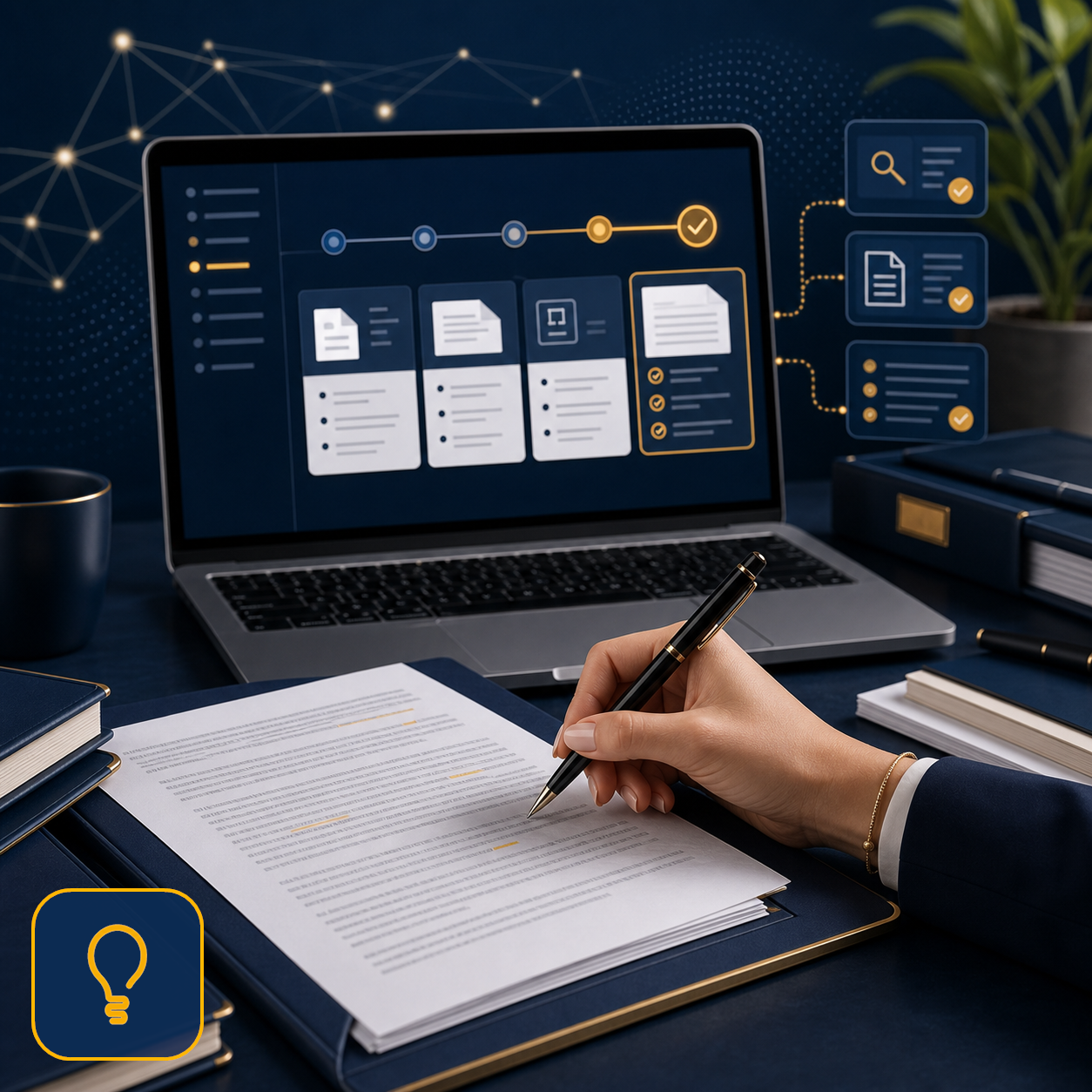
AI Chat remains useful for questions, research, drafting, document analysis, and exploration. The Word add-in helps lawyers work inside the drafting environment they already use. Agentic Tasks add the next layer: a guided workflow that moves toward a concrete legal deliverable while the lawyer reviews and approves the important decisions.
The first Agentic Task, Draft Legal Opinion, shows this direction clearly. It is designed to move from matter intake and supporting documents toward a complete opinion, with lawyer review across facts, strategy, structure, drafting, risk, and final approval.
A Simple Adoption Test
If you are evaluating legal AI in your practice, do not only ask, "Can it answer a legal question?" Ask:
- Can it help me reach a legal deliverable I can actually use?
- Can I see and adjust the assumptions, reasoning, and structure?
- Does the workflow respect my professional responsibility?
- Does the product support the language and legal style my clients expect?
Sources And Further Reading
- Anthropic: Claude for the legal industry
- Thomson Reuters and Anthropic partnership announcement
- Freshfields and Anthropic workflow collaboration
Try Lawyer-Controlled Legal AI Workflows
Open Wisanna to try AI Chat, the Word add-in, and the new Draft Legal Opinion workflow. If you want a guided walkthrough, schedule a short demo with the Wisanna team.
Schedule a Demo